FDA 21 CFR Part 11 & Electronic Batch Records in Dynamics 365: Eliminating Paper on the Cleanroom Floor
How clinical-stage biopharma manufacturers and CDMOs transition from error-prone paper batch records to validated, cloud-native Electronic Batch Records (eBR) in Business Central while maintaining full GAMP 5 compliance.
Executive Takeaways
- The 16-Day Review Bottleneck: Paper-based Master Batch Records (MBRs) consume hundreds of hours in post-production QA reviews, transcription error resolution, and manual second-witness sign-offs.
- FDA 21 CFR Part 11 Enforcement: Electronic records and electronic signatures require dual-key authentication, immutable time-stamped audit trails, non-repudiation, and rigorous segregation of duties.
- Cleanroom Power Apps Kiosks: Ruggedized, glove-friendly touch terminals directly capture weigh-scale measurements via IoT and enforce step-by-step line clearance before operators can advance.
- Real-Time Lot Quarantine: Automated quality status state machines guarantee that non-conforming lots cannot be consumed in production or shipped to clinical trial sites.
- Continuous Validation (GAMP 5): How modern life sciences organizations manage cloud ERP release cycles with risk-based automated regression testing.
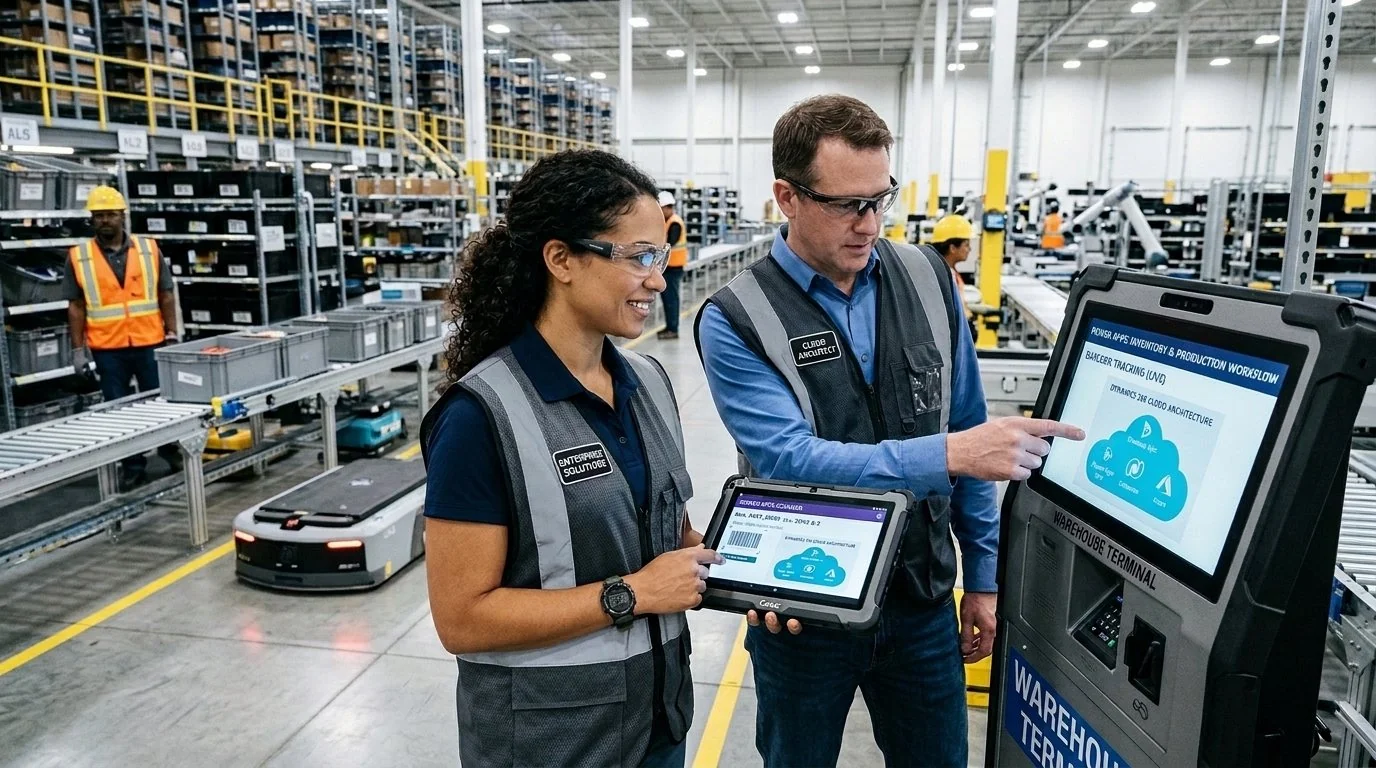
Figure 1: Cleanroom operations team executing electronic batch record sign-offs and dual-signature verification in Business Central.
The Paper Burden in Modern Biopharmaceutical Manufacturing
In clinical-stage biopharmaceutical manufacturing and Contract Development and Manufacturing Organizations (CDMOs), product quality is inseparable from data integrity. Whether synthesizing sterile injectables, producing cell and gene therapies, or compounding complex biological reagents, regulatory bodies like the FDA inspect the record of manufacturing just as rigorously as the physical vial.
Yet, across hundreds of cleanrooms in the United States, manufacturing operations remain tethered to massive 200-page paper Master Batch Records (MBR). This reliance on physical binders creates severe operational liabilities:
- Protracted Batch Release Latency: After a production run finishes, QA teams frequently spend 14 to 21 days manually reviewing every page, cross-checking illegible handwriting, verifying initials, and reconciling calculation rounding.
- Transcription Deviations: Over 45% of cleanroom GMP deviations stem from human transcription errors—operators writing down scale readings incorrectly or signing out of sequence.
- Delayed Root-Cause Investigations: When an out-of-specification (OOS) result occurs, tracing backward lot genealogy across raw material lots, sterile filtration certificates, and equipment calibration logs requires hunting through physical archive rooms.
- Sponsor Audit Friction: Commercial biopharma sponsors auditing their CDMO partners face tedious review cycles, slowing down tech transfer and commercial scale-up.
The industry solution is migrating from paper to Electronic Batch Records (eBR) embedded directly within Dynamics 365 Business Central, satisfying FDA 21 CFR Part 11 requirements while cutting batch release times by over 80%.
Deconstructing FDA 21 CFR Part 11 Compliance in Cloud ERP
Title 21 of the Code of Federal Regulations, Part 11 (21 CFR Part 11) sets forth the criteria under which the FDA considers electronic records and electronic signatures to be trustworthy, reliable, and generally equivalent to paper records and handwritten signatures.
To satisfy FDA scrutiny during an inspection or commercial sponsor audit, Business Central must enforce the following technological and procedural controls:
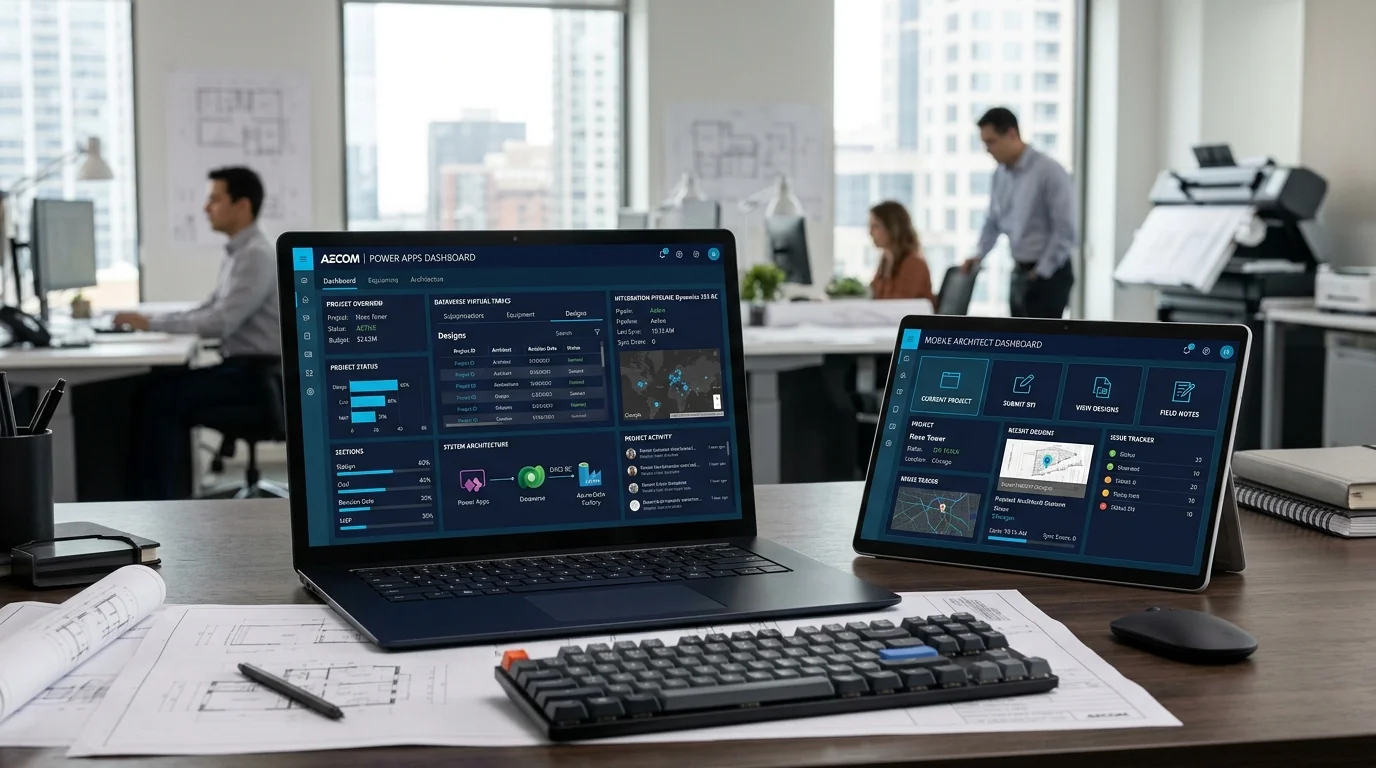
Figure 2: Ruggedized cleanroom terminal executing IoT weigh-scale integration and dual-signature verification.
Cleanroom Floor Execution: Ruggedized Touch Terminals & Scale Integration
One of the primary historical barriers to eBR adoption has been user friction. Cleanroom operators wearing double pairs of nitrile gloves and Tyvek bunny suits cannot interact with traditional mouse-and-keyboard desktop ERP interfaces.
To solve this, Allgrow deploys cleanroom-ready custom Power Apps touch terminals mounted on stainless steel articulating arms at each cleanroom suite. The interface enforces zero-compromise GMP execution:
1. Enforced Line Clearance Protocol
Before a batch can be initiated, the system prevents material dispensing until an operator and QA inspector execute an electronic Line Clearance Sign-off. The terminal verifies that all residues, cleaning agents, and documentation from the previous campaign have been cleared, logging equipment clean dates directly into the Business Central Maintenance Ledger.
2. Direct IoT Weigh-Scale Integration
Manual recording of Active Pharmaceutical Ingredients (APIs) and buffer chemicals is a major source of out-of-tolerance deviations. We integrate high-precision balances (such as Sartorius or Mettler Toledo) via secure industrial edge gateways (OPC UA / REST) directly into the eBR kiosk.
When an operator dispenses an ingredient:
- The operator scans the chemical lot barcode. The system verifies the lot is in “Released” status and not expired.
- The terminal displays the target weight range (e.g., 500.00g ± 0.50g).
- The scale captures the tare and net weight automatically, writing the value directly to Business Central without manual keying.
- If the weight falls outside the critical process parameter (CPP), the system blocks advancement and triggers a mandatory deviation workflow.
3. Enforced Dual-Witness Verification
For critical additions (such as potent cytotoxic compounds or master cell vial thaw), the system enforces an electronic dual-witness signature. The primary operator authenticates, followed immediately by a second qualified witness entering their distinct credentials to confirm the physical step.
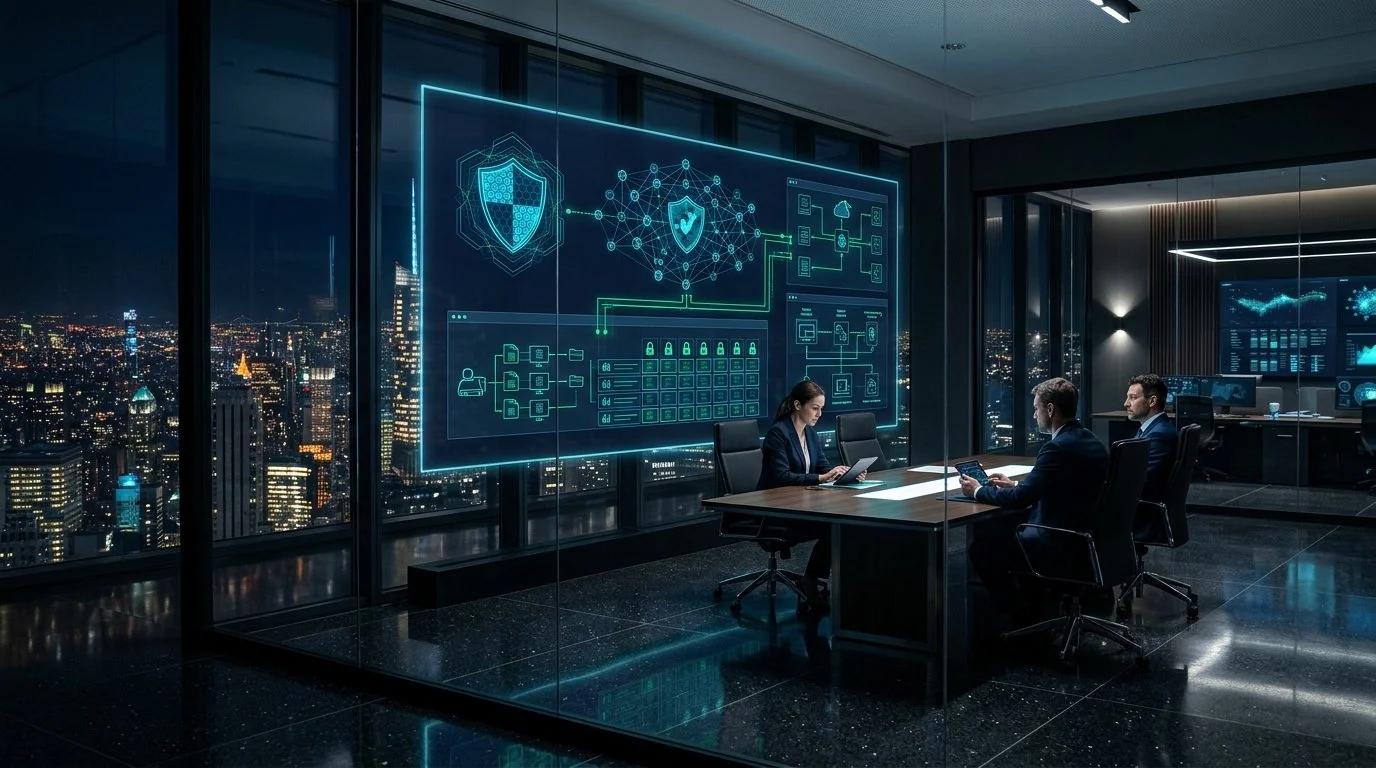
Figure 3: Multi-tier backward and forward lot genealogy tree mapping raw materials to intermediate bulks and finished clinical trial kits.
Automated Lot Genealogy: Executing a 5-Minute Mock Recall
Under FDA GMP regulations (21 CFR Part 211), manufacturers must maintain complete lot tracking across the entire supply chain. In the event of a raw material contamination or packaging integrity failure, QA must be able to trace every finished lot containing that suspect precursor within hours.
In standard ERPs, lot tracking is often fragmented across inventory ledgers and separate laboratory information management systems (LIMS). In our Business Central architecture, Item Tracking Codes enforce strict serial and lot tracking across every transition:
• Inbound Raw API Lot [RM-2026-084] received → Auto-tagged: Status = QUARANTINE
• Certificate of Analysis (CoA) verified → Release Testing passed → Status = RELEASED
INTERMEDIATE COMPOUNDING:
• Consumption: [RM-2026-084] (500g) + Water for Injection (10,000L)
• Output: Bulk Formulation Lot [BLK-904-B] → eBR Dual Signatures recorded
STERILE FILL & FINISH:
• Consumption: [BLK-904-B] + Sterile Vials [PKG-442-A] + Stoppers [PKG-119-C]
• Output: Finished Clinical Vial Lot [FPP-2026-012] → Auto-tagged: Status = QA_HOLD
QA BATCH DISPOSITION:
• Review of eBR deviations, environmental monitoring, sterility assay results
• QA Director Electronic Dual Signature → Status = COMMERCIAL_RELEASE
If a supplier informs you that raw material lot `RM-2026-084` was contaminated, clicking Lot Trace in Business Central instantly maps every intermediate bulk, finished batch, warehouse location, and customer delivery in under five minutes—turning an audit crisis into routine compliance.
Continuous Validation (GAMP 5) in a Cloud ERP World
A frequent hesitation among Life Sciences IT directors considering cloud ERP is the fear of constant software updates breaking validated state. Microsoft Business Central Cloud deploys continuous service updates, including major release waves in April and October.
How do regulated organizations maintain compliance under the Good Automated Manufacturing Practice (GAMP 5) framework?
Allgrow deploys a validated Continuous Compliance Pipeline:
- Dedicated Validation Sandbox Enclaves: Major release waves are routed to a preview sandbox 30 days prior to general availability.
- Automated Regression Testing: Using Azure DevOps and automated testing frameworks, your specific electronic signature workflows, eBR dispensing logic, and lot tracking state machines execute simulated batches automatically.
- Risk-Based Impact Assessments: Rather than re-running 1,000 pages of manual testing, QA receives an automated delta assessment focusing exclusively on modified code paths and features.
- Audit-Ready Validation Packs: All test executions, screen captures, and digital logs are compiled into version-controlled IQ/OQ/PQ validation summary reports signed electronically by your QA lead.
Case Study: Research Triangle Biopharma CDMO Cuts Batch Review from 16 Days to 36 Hours
Explore how a clinical biopharmaceutical manufacturer in Raleigh-Durham eliminated paper batch binders, integrated cleanroom scales, and achieved 100% first-pass FDA and sponsor audit compliance in Business Central.
The 90-Day eBR Implementation Blueprint
Modernizing cleanroom operations from paper to digital batch execution is executed in a controlled, phased approach to ensure zero production interruption:
Master Recipe Modeling
Map paper MBRs to Business Central production BOMs, routings, and critical process parameter (CPP) checkpoints.
Terminal & Scale Integration
Deploy glove-friendly Power Apps kiosks. Configure scale IoT connections and 21 CFR Part 11 dual-signature workflows.
GAMP 5 Validation Execution
Execute IQ/OQ/PQ protocols, train cleanroom operators, run shadow parallel batches, and release to formal GMP production.
Conclusion: The Future of Cleanroom Agility
Paper batch records are an outdated bottleneck in an era of rapid biopharmaceutical innovation. By architecting an FDA 21 CFR Part 11 compliant execution environment within Dynamics 365 Business Central, biopharma manufacturers and CDMOs protect data integrity, accelerate batch release from weeks to hours, and deliver lifesaving therapies with unassailable compliance.
Complimentary eBR Discovery
Ready to Eliminate Paper Batch Records in Your Cleanrooms?
Schedule a confidential 45-minute technical discovery session with an Allgrow senior Life Sciences solutions architect. We will evaluate your current MBR templates, weigh scale hardware, and computer system validation roadmap.